Key Highlights
- Dubai offers freehold and leasehold property options.
- Average property prices in 2026 range from AED 1.2 million to AED 3 million.
- Rental yields in sought-after areas average between 6-7%.
- The Dubai market has historically shown growth with upcoming infrastructure projects.
- RTA estimates that property values near new metro stations could rise by up to 20%.
Understanding the Dubai Real Estate Market
Dubai’s real estate market has become increasingly attractive to international investors, including Taiwanese investors seeking lucrative opportunities. With a unique blend of modern architecture, cultural diversity, and a tax-friendly environment, Dubai continues to draw attention. This dynamic market offers a variety of property types, from luxury villas to high-rise apartments, catering to different budgets and investment strategies.
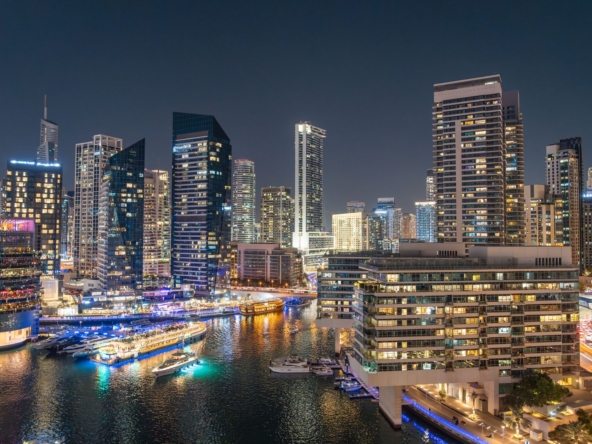
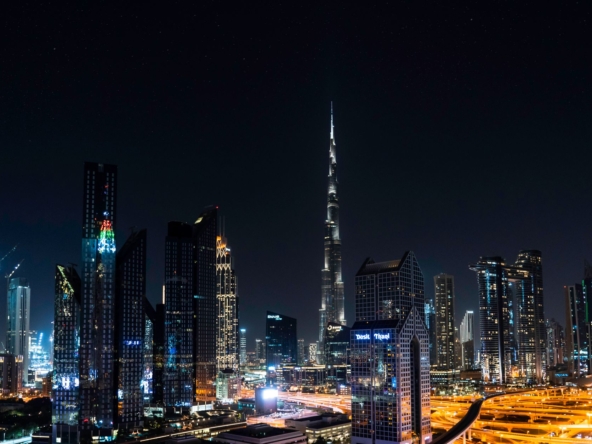
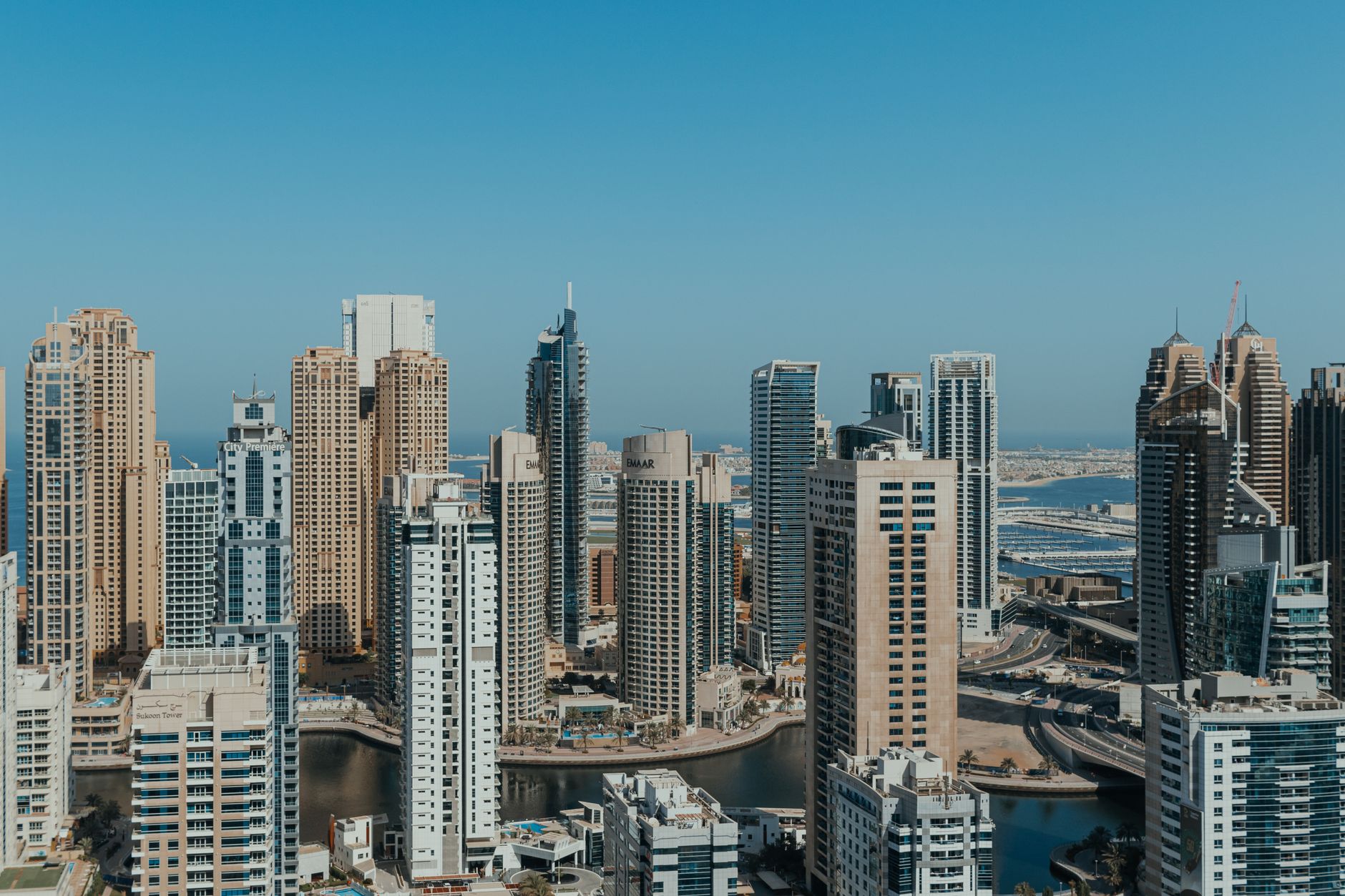
As of 2026, the average property prices range significantly depending on the location. For example, prime areas like Dubai Marina and Downtown Dubai see prices around AED 3 million for upscale apartments, while emerging neighborhoods such as Dubai South offer options starting from about AED 1.2 million.
Freehold vs. Leasehold Properties
One of the essential factors for Taiwanese investors in Dubai real estate is understanding the difference between freehold and leasehold properties. Freehold properties allow investors to own the property and the land it stands on outright, while leasehold properties mean the buyer owns the property but leases the land for a specified period, typically up to 99 years.
In Dubai, many areas, such as Jumeirah Lakes Towers and Arabian Ranches, offer freehold options, making them particularly appealing to foreign investors. Conversely, some developments in areas like Deira and Bur Dubai may be leasehold, which could influence long-term investment strategies.
Investment Opportunities in Dubai
The Dubai real estate market is characterized by diverse investment opportunities. Areas like Dubai Hills Estate and Mohammed Bin Rashid City are emerging as prime locations for new developments, driven by infrastructure improvements and a surge in demand for residential properties. In 2026, average rental yields in these areas are expected to hover between 6-7%, presenting a solid return on investment.
The upcoming Dubai Metro Gold Line, set to open in September 2032, is another factor influencing investment opportunities. This fully underground 42km line will connect key areas, including Business Bay and City Walk, enhancing accessibility and desirability. RTA estimates that property values near new stations could rise by up to 20%, presenting a strategic opportunity for property investors.
Comparing Investment Areas
| Area | Average Price (AED) | Average Rental Yield (%) |
|---|---|---|
| Dubai Marina | 3,000,000 | 6-7% |
| Dubai Hills Estate | 2,000,000 | 6-7% |
| Dubai South | 1,200,000 | 5-6% |
What This Means for Buyers and Investors
The current trends in the Dubai real estate market suggest a favorable environment for Taiwanese investors. The rise in property values, particularly in areas near the new metro stations, indicates a growing demand for real estate in strategically located neighborhoods. Investors looking to capitalize on these trends should consider purchasing properties in locations that have historically benefited from improved infrastructure, such as those along the upcoming Dubai Metro Gold Line.
Additionally, with rental yields averaging between 6-7% in sought-after areas, there is an opportunity for generating substantial passive income. Investors may find that negotiating prices in emerging neighborhoods like Dubai South could present advantageous entry points, especially as these areas develop further.
Pros and Cons of Investing in Dubai Real Estate
Pros
- Tax-free investment environment enhances overall returns.
- Diverse property options cater to various investment strategies.
- Strong rental yields compared to other global markets.
- Growing infrastructure projects increase property values.
Cons
- Market volatility can impact property values.
- Legal complexities for foreign investors may require professional guidance.
- Initial costs, including registration and agency fees, can be considerable.
Conclusion
For Taiwanese investors looking to enter the Dubai real estate market, understanding the nuances of property ownership, investment opportunities, and market trends is crucial. With a favorable investment climate and promising infrastructure developments, Dubai presents a compelling case for real estate investment.
Have questions about Dubai real estate?
Our expert agents are available on WhatsApp to guide you through your property journey.